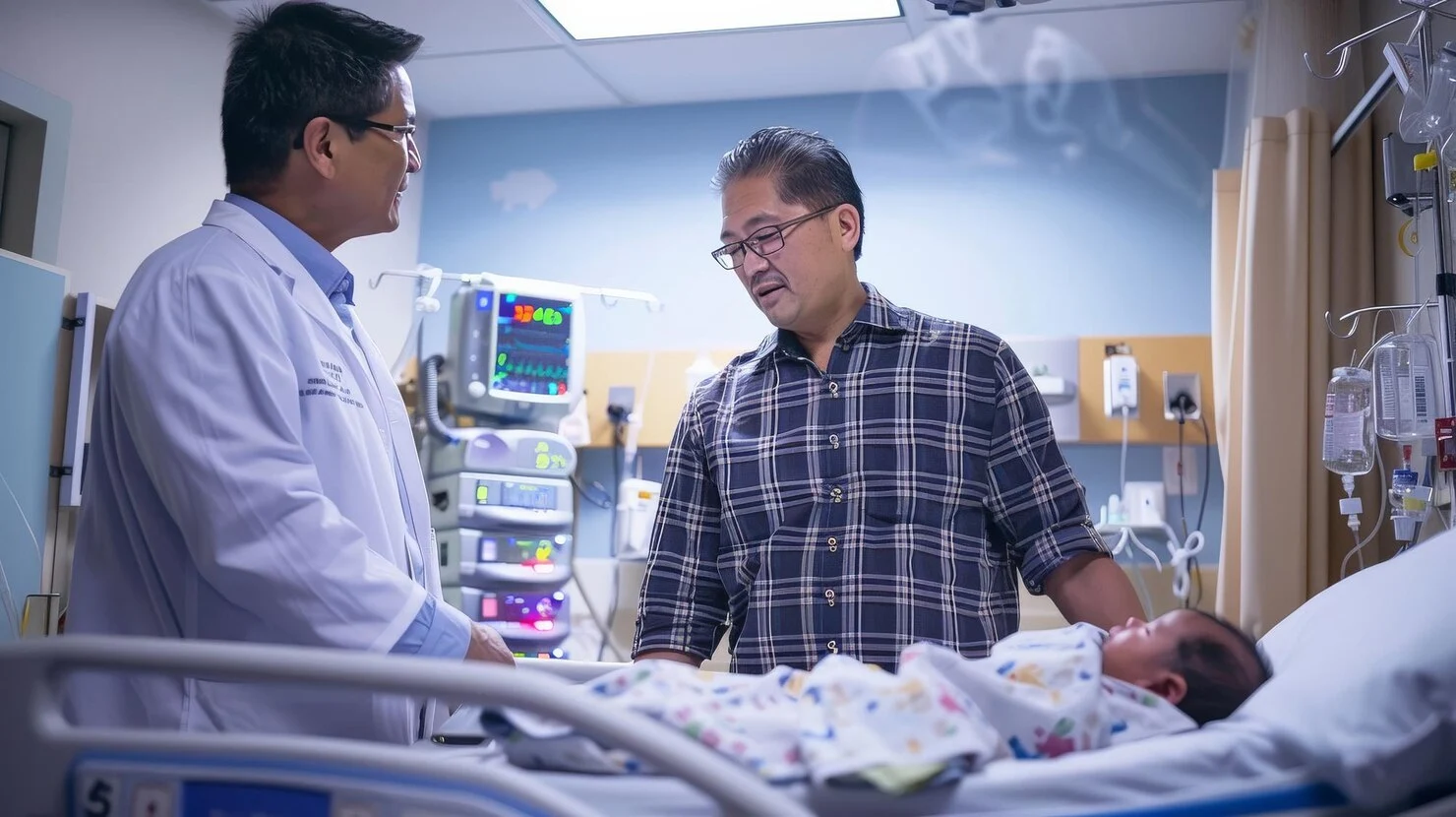
Medical negligence is a growing area of concern in Malaysia’s healthcare landscape. Patients rely on doctors, nurses, and hospitals to provide professional care, but mistakes can happen when the standard of care falls below what is expected. When such errors cause harm, the issue may be considered medical negligence.
Understanding how medical negligence occurs and how to prove it is essential for anyone navigating the healthcare system. This guide outlines the basic steps patients can take to identify, document, and respond to potential cases of medical negligence — while keeping the discussion general and informative.
What Is Medical Negligence?
Medical negligence happens when a healthcare provider fails to deliver treatment in accordance with accepted professional standards, resulting in harm to the patient. It typically involves three core elements:
- Duty of Care: A medical professional has a legal and ethical responsibility to care for their patient.
- Breach of Duty: The professional fails to meet the required standard of care.
- Causation and Harm: The patient suffers injury or loss as a result of the failure.
These principles form the foundation for identifying medical negligence and determining whether an adverse outcome could have been avoided with reasonable care.
How Common Is Medical Negligence in Malaysia?
Cases of medical negligence in Malaysia have become more visible as patients become aware of their rights. While not every medical mistake qualifies as negligence, hospitals and private clinics across Malaysia have faced growing scrutiny over patient safety, delayed diagnoses, and post-surgery complications.
Awareness and proper documentation are key for patients who suspect negligence.
What Are the Common Signs of Medical Negligence?
Not every medical error is negligence, but the following red flags may indicate it:
- Unexplained or avoidable complications after treatment or surgery
- Lack of informed consent or explanation of treatment risks
- Misdiagnosis or delayed diagnosis
- Missing or incomplete patient records
- Unusual or inconsistent medical decisions
If you notice any of these signs, it may be time to discuss your concerns with a medical lawyer in Malaysia.
How Can Patients Prove Medical Negligence?
To prove medical negligence in Malaysia, patients must show clear evidence that:
- The healthcare provider had a duty to care for them
- That duty was breached through unreasonable actions or omissions
- The breach directly caused injury or harm
Evidence is everything, and that’s where documentation plays a vital role.
What Documents Are Needed to Support a Medical Negligence Claim?
Strong documentation helps establish the facts. Patients should keep:
- Copies of medical records, reports, and lab results
- Prescriptions and hospital bills
- Doctor’s notes and written summaries of visits
- Any communication (emails, texts, or messages) with healthcare providers
This information builds a timeline and helps lawyers or medical experts assess whether negligence occurred.
Should You Get a Second Medical Opinion Before Making a Claim?
Yes, always.
A second medical opinion from another qualified professional provides objective insight into whether the treatment you received was appropriate.
A new doctor can determine if harm resulted from a genuine medical complication or a failure to meet professional standards.
What Steps Can Patients Take to Prevent Medical Negligence?
Prevention begins with awareness and communication.
For Patients:
- Ask questions before consenting to treatment.
- Request clear explanations of risks and options.
- Follow up on test results and keep copies of all reports.
For Healthcare Providers:
- Maintain accurate and updated medical records.
- Communicate openly and clearly.
- Follow ethical and clinical standards.
These practices foster trust and reduce the likelihood of medical negligence.
What Is the Impact of Medical Negligence on Patient Trust?
When negligence occurs, it doesn’t just harm the patient, it affects confidence in Malaysia’s healthcare system.
Patients may hesitate to seek care, and hospitals may face reputational damage.
Transparency, accountability, and continuous improvement are essential for rebuilding trust and ensuring patient safety.
Why Is Public Awareness About Medical Negligence Important?
Many Malaysians are still unaware of what constitutes medical negligence or how to report it.
Educational efforts, like public health talks, media campaigns, and hospital transparency initiatives, can empower patients to know their rights.
An informed patient population creates a safer healthcare environment for everyone.
Why Understanding Medical Negligence Matters for Every Patient
Understanding medical negligence gives patients the confidence to ask questions, demand clarity, and protect their rights.
It also reminds healthcare providers to uphold the highest standards of care.
By promoting awareness and accountability, both patients and medical professionals can contribute to a safer, more transparent Malaysian healthcare system.
Conclusion: Taking Action the Right Way
Proving medical negligence in Malaysia requires patience, evidence, and the right legal guidance.
If you suspect you’ve experienced negligence, document every detail and seek professional legal advice early.
By staying informed and proactive, patients can safeguard their wellbeing, and help build a healthcare system based on trust, fairness, and responsibility.
FAQs
Medical negligence occurs when a healthcare professional fails to provide the standard of care expected, resulting in harm or injury to the patient.
To prove medical negligence, a patient generally needs to show that the healthcare provider owed a duty of care, breached that duty, and caused harm as a result.
Examples include misdiagnosis, surgical errors, wrong medication, delayed treatment, or failure to obtain informed consent.
Patients may explore formal complaint channels or legal action if they believe medical negligence has caused harm or financial loss.
There is generally a time limit for bringing claims, and it may vary depending on the circumstances, so timely action is important.
Prevention includes clear communication, proper documentation, adherence to clinical standards, and regular professional training.
Common causes include human error, inadequate supervision, communication breakdowns, and failure to follow procedures.
Patients should gather medical records, seek a second opinion, and document all details before taking further steps.
A medical error is an unintentional mistake, while medical negligence involves failure to meet the standard of care expected from a professional.
Doctors, nurses, hospitals, or other healthcare providers involved in the patient’s care may be held accountable depending on the situation.
Disclaimer: This article is intended to provide general information only and does not constitute legal advice. It should not be used as a substitute for professional legal consultation. We recommend seeking legal advice before making any decisions based on the information in this article. TSL Malaysia fully disclaims any responsibility for any loss or damage that may result from its reliance on this article.