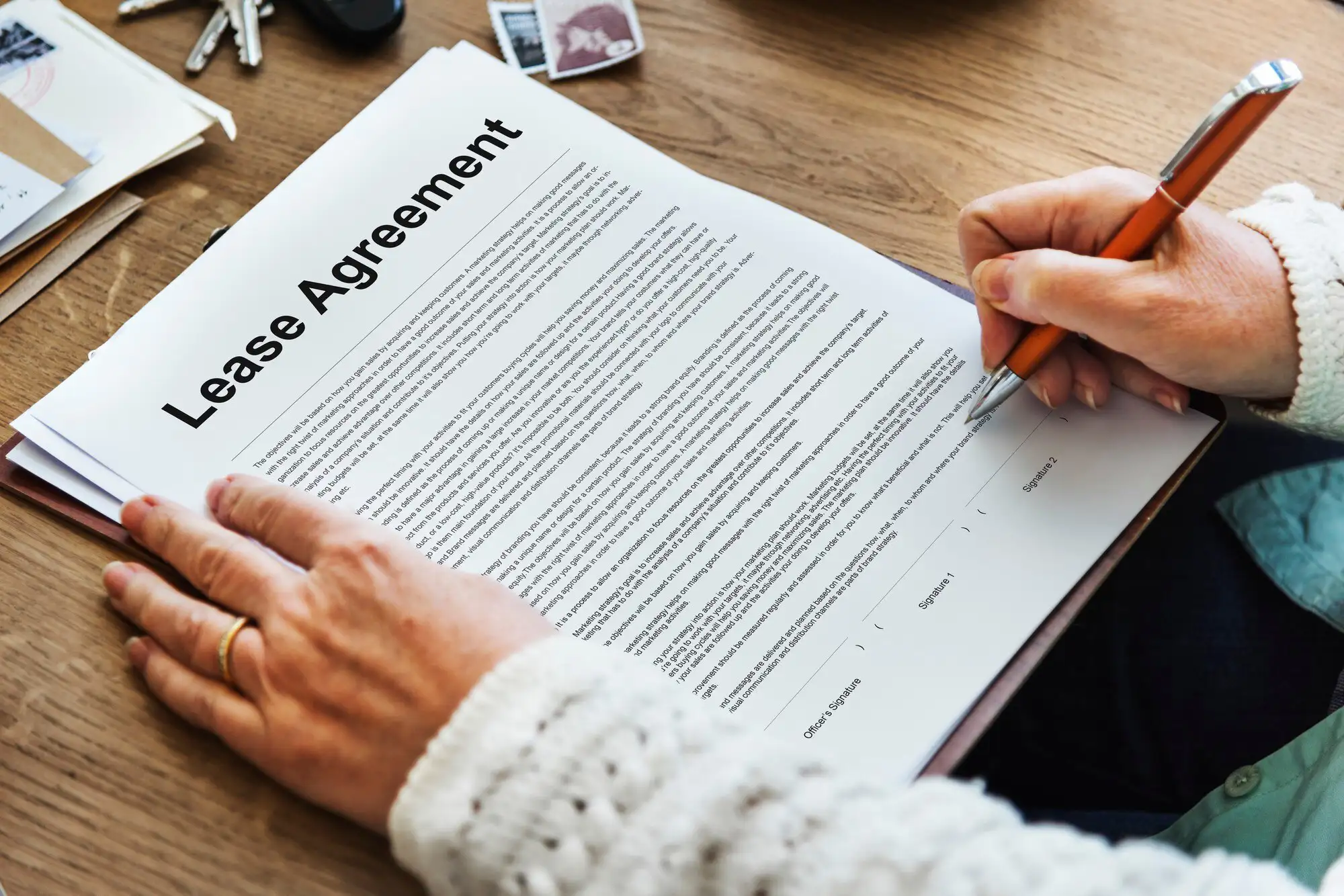
Under Thailand law, all leases are capped at 30 years and must be registered with the Land Department to be enforceable beyond 3 years. The Thai Civil and Commercial Code (Sections 537-571) governs all lease agreements. Recent Supreme Court (Dika Court) decisions confirm that unregistered long-term leases are void against third parties. Foreign nationals may legally lease land for up to 30 years, with negotiated renewal options. Consulting a lawyer in Thailand before signing any long-term lease contract is strongly recommended.
Long-term property leases in Thailand have become a focal point for both local and foreign investors navigating the country’s real estate and construction sector. PD Legal, a law firm specializing in Thailand law and cross-border property matters, has observed increasing demand for clarity on lease rights following a series of landmark Supreme Court rulings. Understanding the legal framework protects lessees, landlords, and foreign investors from costly disputes and unenforceable agreements.
What are Long-Term Lease Rights Under Thailand Law?
Under Thailand law, a lease, referred to as “Chao Sap,” is a binding agreement granting a lessee exclusive use of a property for a defined period in exchange for compensation. The Thai Civil and Commercial Code establishes the foundational rules that govern these rights across all real estate and construction arrangements.
- A lease exceeding 3 years must be in writing and registered with the Land Department to be legally enforceable against third parties
- The maximum lease term for private land under Thailand law is 30 years, and any term beyond this is automatically reduced to 30 years
- Lease agreements may include a renewal clause, but each renewed period is treated as a new and separate lease under Thai law
- An unregistered lease of more than 3 years remains enforceable only for 3 years, regardless of what the written contract states
Lessees retain the right to sublease or assign the lease unless the contract expressly prohibits it
Long-term lease rights in Thailand are legally protected, but only when the agreement satisfies strict registration and documentation requirements under the Thai Civil and Commercial Code.
What Does the Thai Civil and Commercial Code Say About Property Leases?
The Thai Civil and Commercial Code (TCCC), specifically Sections 537 to 571, provides the comprehensive legal foundation for every lease agreement within Thailand’s real estate and construction sector.
- Section 537 defines a lease as a contract where one party grants another the right to use property in exchange for agreed compensation.
- Section 540 caps the maximum lease period at 30 years, after which the parties must execute an entirely new lease agreement.
- Section 538 mandates that any lease lasting more than 3 years must be in writing and registered with the Land Department; otherwise, it is enforceable only for 3 years.
- Section 562 preserves the lessee’s right to sublease or transfer the lease unless the contract explicitly restricts this right.
- Section 569 protects lessees during property transfers, binding any new owner to the terms of an existing registered lease.
The TCCC remains the primary legal reference for all disputes, court interpretations, and enforcement actions involving property leases under Thailand law.
How Have Recent Supreme Court Decisions Shaped Long-Term Leases in Thailand?
The Thai Supreme Court (Dika Court) has issued rulings that directly affect how long-term leases are enforced under Thailand law. One key decision confirmed that an unregistered lease cannot be enforced beyond 3 years, even with a signed written contract in place. The court also ruled that automatic renewal clauses do not extend the original registered lease but create a new agreement requiring separate registration. These decisions make procedural compliance with the Thai Civil and Commercial Code non-negotiable for any lessee seeking enforceable long-term lease rights.
Can Foreigners Legally Hold Long-Term Leases on Property in Thailand?
Foreign nationals cannot own land in Thailand, but the Thai Civil and Commercial Code permits foreigners to lease land for up to 30 years, making registered leases the primary legal structure used in Thailand’s real estate and construction market. The Land Department must register the lease for it to bind third parties, future owners, and creditors. Without registration, a foreign lessee holds no enforceable rights beyond 3 years, regardless of what the contract states.
Can A Foreigner Extend A 30-Year Lease in Thailand?
Yes. A foreigner may negotiate a renewal clause into the original lease agreement before signing. However, under Thailand law, a renewed lease is treated as a brand-new contract and must also be registered with the Land Department to be enforceable beyond 3 years. Recent Dika Court decisions have consistently upheld this interpretation.
What Happens When a Long-Term Lease Agreement in Thailand is Not Properly Registered?
Non-registration of a long-term lease is one of the most consequential legal errors in Thailand’s real estate and construction sector, stripping lessees of protections they believe they hold.
- Section 538 of the Thai Civil and Commercial Code limits the enforceability of any unregistered lease exceeding 3 years to only 3 years, regardless of the agreed term.
- An unregistered lessee loses all rights against a new property owner if the land is sold during the lease period.
- Recent Dika Court rulings have consistently resolved such disputes in favor of new landowners, not lessees holding unregistered agreements.
- Renewal clauses in unregistered leases carry no legal standing beyond the enforceable 3-year maximum window.
- Legal costs and damages claims become substantially higher when long-term lease disputes arise from improperly documented or unregistered agreements.
Registration at the Land Department is not a formality; it is the foundational legal step that determines whether any long-term lease right under Thailand law can actually be enforced in court.
When Should You Consult a Lawyer in Thailand for a Long-Term Lease Agreement?
Legal advice from a qualified lawyer in Thailand is critical before executing any long-term lease, particularly for foreign nationals or large-scale real estate and construction projects. A lawyer in Thailand can verify the property title deed (Chanote), confirm the landowner’s legal capacity to execute a lease, draft agreements that meet Land Department registration requirements, and identify any clauses that may be unenforceable under the Thai Civil and Commercial Code. The specific provisions governing lease registration, renewal, and third-party rights are frequently misunderstood, and a single structural error in the lease can void years of legally enforceable rights.
What Should a Lawyer in Thailand Check Before Signing A Long-Term Lease?
A property lawyer in Thailand should verify the Chanote title deed for encumbrances or mortgages, confirm the landowner’s authority to lease, assess the enforceability of any renewal clauses, and ensure the entire agreement is structured to meet Land Department registration compliance standards.
Why Choose PD Legal?
PD Legal is a law firm based in Singapore with a dedicated Thailand law practice, advising clients on real estate and construction matters, long-term lease structuring, and cross-border property transactions. The firm’s lawyers bring direct familiarity with the Thai Civil and Commercial Code, Land Department registration requirements, and Dika Court jurisprudence.
Conclusion
Recent Supreme Court decisions confirm that long-term lease rights in Thailand depend entirely on proper registration and contract structure, not just written agreements. Thailand law is clear, but enforcement is only guaranteed when every procedural requirement under the Thai Civil and Commercial Code is met.
PD Legal helps clients navigate lease structuring, Land Department registration, and property disputes with confidence. Contact PD Legal today to ensure long-term lease rights in Thailand are properly secured from the start!