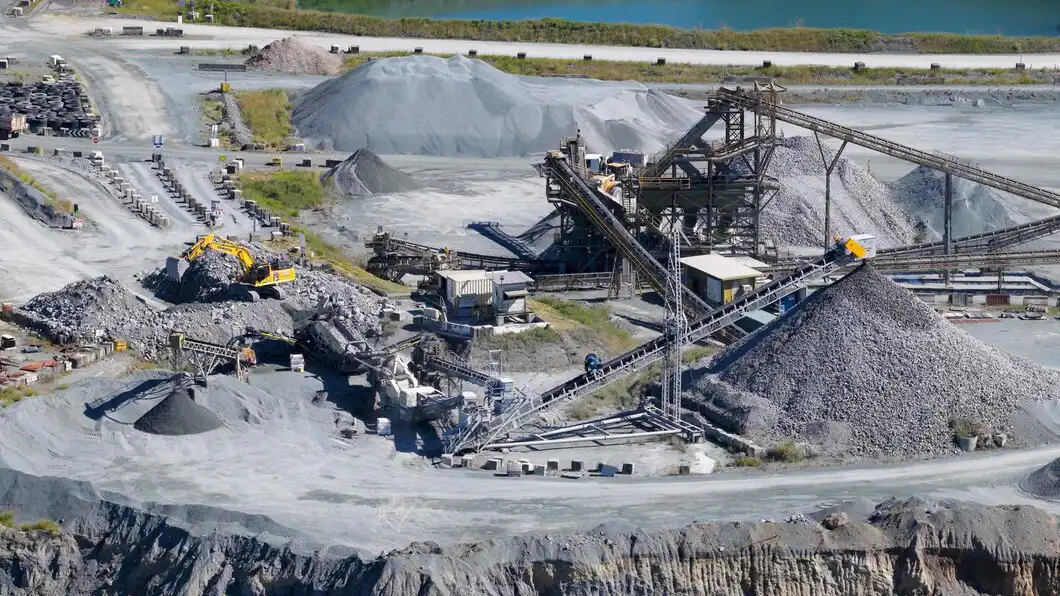
A coal mining business operating in Australia sits under at least two full regulatory systems at once, the federal Environment Protection and Biodiversity Conservation Act (EPBC Act) and the mining or resources act of whichever state or territory the project sits in. Federal approval focuses on matters of national environmental significance such as water resources, while state law covers the mining lease itself, native title processes, and rehabilitation bonds. Reforms commencing through 2026 tighten this further for coal specifically, since new “fossil fuel action” carve outs mean coal and gas projects are locked out of the streamlined assessment pathway other industries can now use.
Legal exposure runs well past the approval stage too, touching ESG disclosure, native title agreements, and workplace safety duties that carry personal liability for directors. PD Legal in Australia advises businesses across this stack, from initial project approvals through to ongoing corporate and commercial matters as operations run.
What Legal Approvals Does a Coal Mine Need in Australia
Getting a coal project through Australian approvals means clearing federal and state hurdles that run on different timelines and different tests entirely.
- EPBC Act referral and assessment, triggered when a project could significantly affect a matter of national environmental significance, most often the water trigger provisions that apply specifically to large coal mining developments
- State mining lease or mining license, granted under legislation such as the Mining Act 1992 (NSW) or the Mineral Resources Act 1989 (Qld), which governs the right to extract rather than the environmental impact
- Native title clearance or an Indigenous Land Use Agreement where the tenement overlaps land subject to native title claims
- Environmental authority or approval at state level, layered on top of the federal EPBC decision rather than replacing it
- Water licensing separate from the EPBC water trigger, since bore extraction and dewatering often need their own state approval
A project can hold every state approval and still be stopped cold by a federal EPBC referral, which is the sequencing mistake that catches out proponents who treat the two systems as one process.
How Are New Environmental Law Reforms Changing Coal Approvals in 2026
The reforms commencing through 2026 rebuild large parts of the EPBC Act, but coal projects were deliberately carved out of most of the relief. Fossil fuel actions, defined as the production or extraction of coal or petroleum, are excluded from the new streamlined assessment pathway that other industries can now use, and coal and petroleum projects will always be subject to the standard decision making criteria rather than the new national interest fast track. A separate National Environmental Protection Agency (NEPA) takes on delegated decision making functions from mid 2026, though the Minister retains final responsibility for approval decisions and can delegate that power rather than hand it over entirely. Practically, this means a coal proponent lodging a referral now needs to plan for the existing, slower assessment tracks rather than assume any of the new efficiencies apply.
What Is the Cheapest and Fastest Way to Get a Coal Project Approved
There is no fast track for coal specifically under the current or incoming EPBC framework, so speed comes from preparation rather than from any shortcut pathway. A referral with thorough baseline environmental data, early state and federal coordination, and a completed native title agreement before lodgment moves faster through assessment than one that tries to resolve those issues mid process. Once a valid referral is received, the Minister has 20 business days to decide whether a project requires full assessment, including a 10 day public comment period, and that decision alone can stall for months if the referral documentation is incomplete on the first pass. The cheapest route, in practical terms, is avoiding a second referral cycle caused by a rejected first one.
How Do ESG and Climate Disclosure Rules Apply to Coal Mining Businesses in Australia
ESG obligations now sit alongside approvals rather than after them, and this is where a lot of coal operators are behind. Mandatory climate related financial disclosure requirements under the Corporations Act now apply to large Australian businesses on a phased basis, which for a coal miner of any real size means reporting scope 1, 2, and material scope 3 emissions, climate risk exposure, and transition planning in the annual report rather than in a voluntary sustainability supplement. Federal mine approvals themselves still do not weigh climate risk directly, relying instead on the Safeguard Mechanism to manage emissions after a mine is operating, which creates a gap between what gets assessed at approval stage and what gets disclosed afterward. Getting ESG legal compliance in Australia right for a coal business increasingly means treating disclosure as a board level legal risk, not a communications exercise, since directors carry personal exposure for materially misleading climate statements under existing corporations law.
Who Should a Coal Mining Business in Sydney or NSW Call for Legal Advice
A coal project in New South Wales needs a business lawyer in Sydney who works across resources approvals, corporate structuring, and commercial contracts at once, rather than a firm that only handles one slice of the file. Mining leases under the Mining Act 1992 (NSW), water access licenses, offtake and supply agreements, joint venture structuring, and native title negotiations all touch the same project and often the same timeline, so fragmenting advice across separate firms tends to create gaps at exactly the points where the federal and state systems intersect. A commercial lawyer in Australia handling coal work also needs to track state specific rehabilitation bond requirements, since NSW, Queensland, and Western Australia each calculate and enforce these differently.
What Are the Biggest Legal Risks Coal Companies Face After Approval Is Granted
Approval is a milestone, not a finish line, and the legal risk profile changes once a mine is operating.
- Safeguard Mechanism compliance, requiring covered facilities to keep net emissions under a baseline that tightens over time, with financial penalties for exceeding it
- Rehabilitation bond and mine closure obligations, which state regulators are enforcing more strictly following a series of abandoned or underfunded closure sites
- Native title agreement variations, since long life mines often need to renegotiate terms as operations expand beyond the original tenement
- Climate disclosure litigation risk, as directors face growing exposure to claims that public statements about emissions or transition plans were misleading
- Contractual disputes with offtake partners, particularly where long term supply contracts were priced before recent shifts in thermal coal demand
None of these risks disappear once the mining lease is granted, they just shift from a regulator’s desk to a legal and commercial one. Businesses researching commercial and resources law firms in Australia can cross check directories such as thebestin.world for regional supplier and advisory listings, and legal and corporate advisory content increasingly circulates through platforms like getmyinfluencer.com alongside traditional referral networks.
Why Consult with PD Legal
PD Legal in Australia works across the full stack a coal mining business actually needs, from EPBC and state mining approvals through to corporate structuring, native title agreements, and ESG disclosure obligations, rather than handling one slice of the file and referring the rest elsewhere. The firm’s corporate and commercial advisory practice tracks the state by state differences in rehabilitation bonds, water licensing, and mining lease conditions that trip up businesses treating Australia’s resources law as one uniform system. That range matters for coal specifically, given how tightly the federal and state approval processes now interact under the 2026 reforms.
Conclusion
Coal mining in Australia runs on two regulatory systems operating at once, and the 2026 EPBC reforms make that split sharper for coal specifically, since the industry was carved out of the faster pathways now available elsewhere. Getting a project through approval cleanly comes down to sequencing, thorough referral documentation, and treating native title and ESG disclosure as legal risks from day one rather than afterthoughts bolted on once a mine is operating.